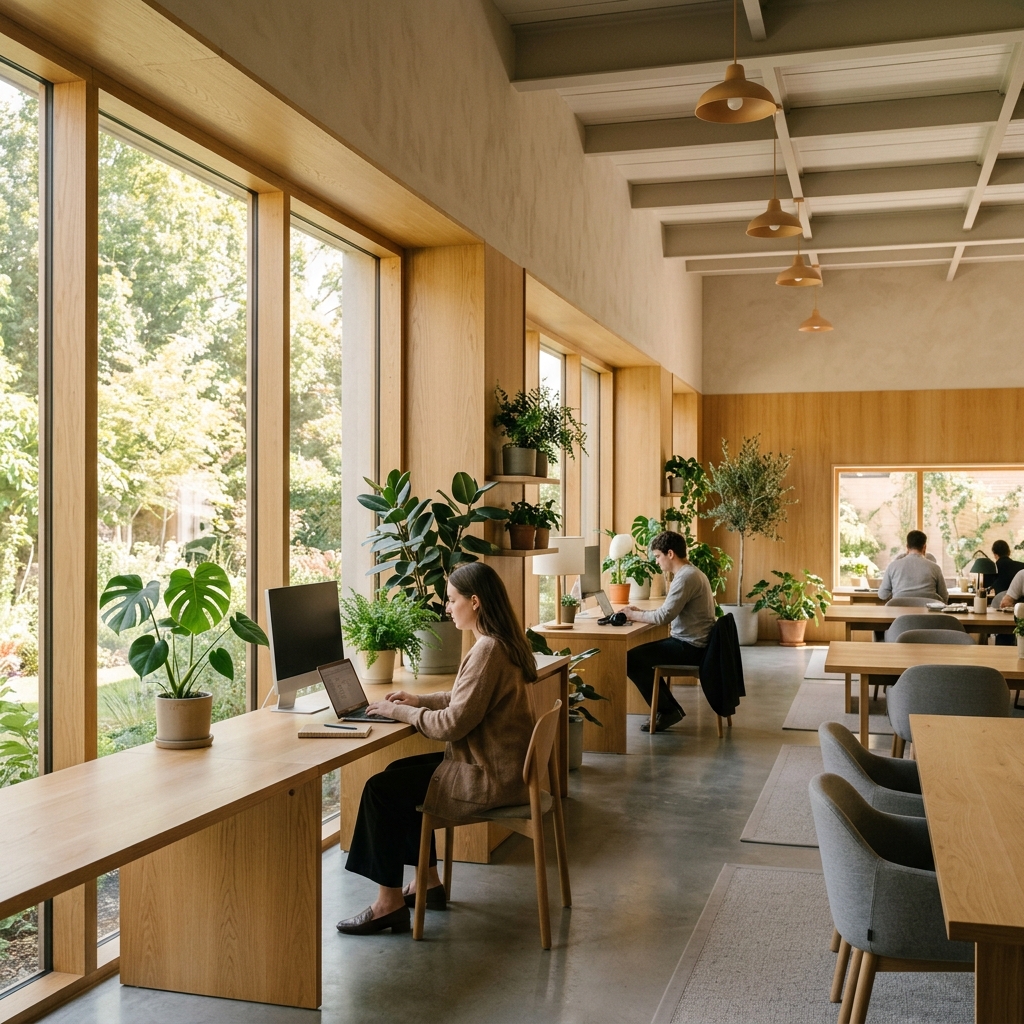
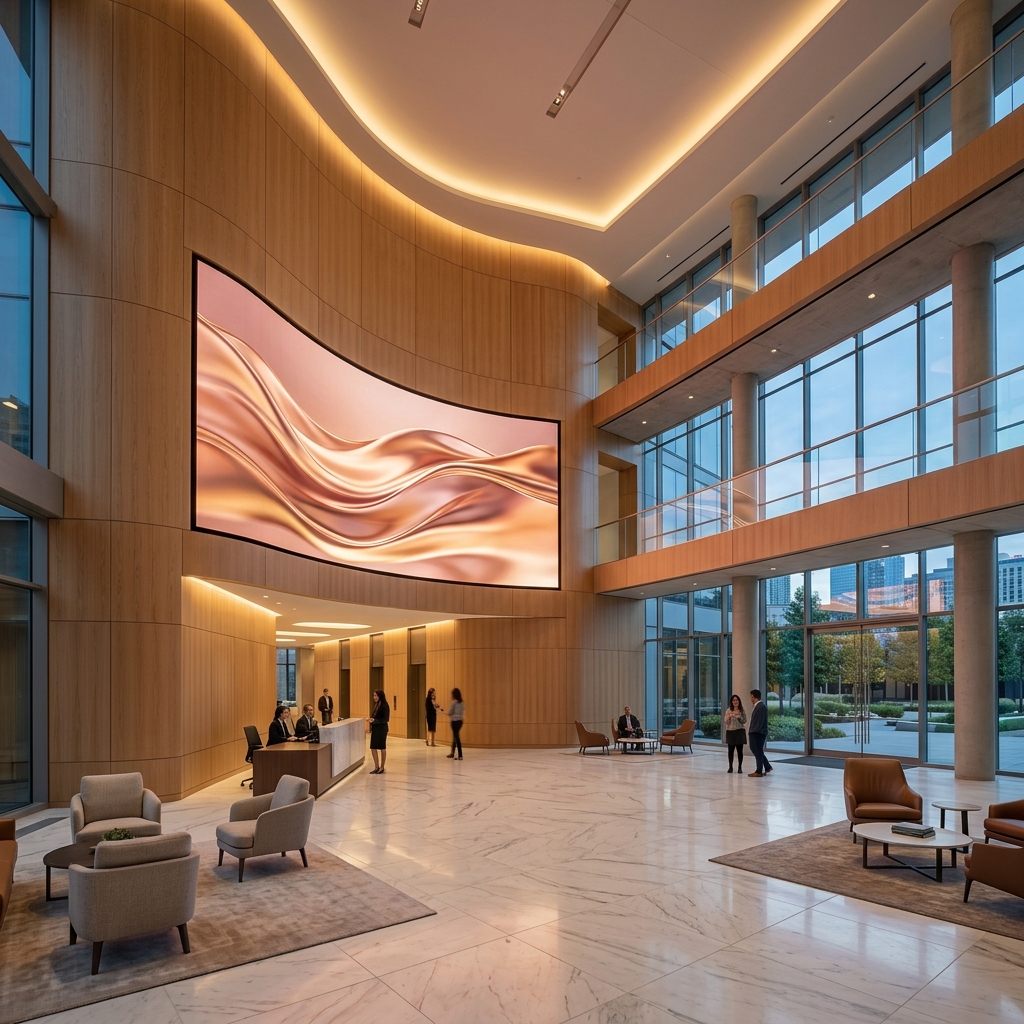
Immersive environments are unforgiving. When content, sound, light and architecture are meant to feel like a single experience, any one of them being slightly wrong breaks the illusion for everyone.
Plan the experience as a whole
These spaces cannot be assembled from independently specified parts. The visuals depend on the surfaces, the surfaces depend on the structure, the sound depends on the geometry, and the content depends on all of them.
Content defines what the space is for
Visuals and surfaces must be designed together
Sound has to belong to the room, not sit on top of it
Architecture sets the limits everything else lives within
Resolve the hard constraints first
Sightlines, acoustics, heat, weight and serviceability are decided early — often before anyone is thinking about content. Naming them at the start is what keeps the ambition achievable.
In an immersive space, coordination is the experience.
The technology should never announce itself. When the planning is right, people simply feel that they are somewhere.